
Sky Stream Review UK 2026: Honest Test Before You Sign Up
Sky Stream is the answer to a very specific UK problem: you want Sky’s content, but a satellite dish is either banned by your landlord or just something you would rather not bolt to the wall. The Sky Stream Puck delivers the same Sky line-up over your home broadband, with no engineer visit. That sounds simple, but the pricing and contract terms catch a lot of UK households off guard once the bill arrives. This Sky Stream review UK covers what Sky Stream actually is in 2026, what it really costs once you add the bits people assume are included, where the picture quality holds up, and how it stacks up against NOW for anyone who only wants Sky on tap. For the official feature list, see Sky’s official Sky Stream overview — but the verdict below is built from real-network testing, not the marketing page.
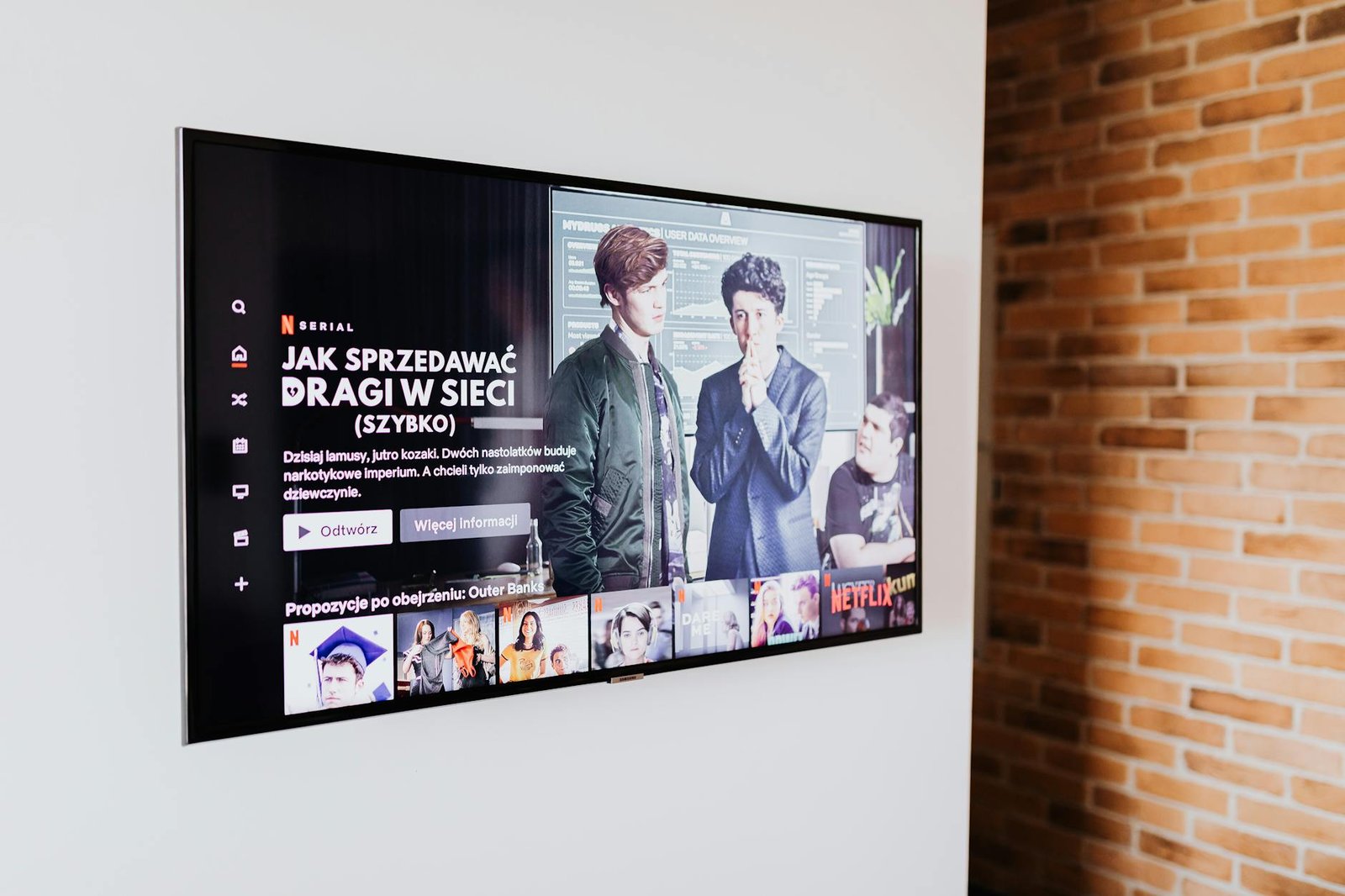
New to IPTV? IPTV (Internet Protocol Television) streams live TV, on-demand films, and sports directly over your broadband connection — no satellite dish or cable required. Read our complete What is IPTV guide → Sky broadband TV review.
🏆 Our Top 3 Recommended IPTV Services
- StreamVault — Premium global IPTV, 20,000+ channels, 4K Ultra HD. From $29.99/mo
- ApexFlow — Best for sports fans, all major leagues & PPV. From $24.99/mo
- BeamTV — Family-friendly & affordable, kids-safe content. From $7.99/mo
All three support 1, 3, 6 and 12-month plans — secure PayPal checkout.
Further Reading #
What Sky Stream actually is #
For the purposes of this Sky Stream evaluation, Sky Stream is a small black device called the Sky Stream Puck. It plugs into any HDMI port and pulls Sky’s channels, on-demand library and apps like Netflix, Disney+ and Prime Video over the internet rather than over a satellite signal. No dish, no coax through the wall, no installation slot. Unbox the Puck, sign in, watch Sky Atlantic within minutes.
The hardware is roughly the size of a deck of cards. It ships with a voice remote that lets you say things like “Brassic series 5” without typing through a virtual keyboard. The interface is the same Sky Glass UI, organised around a Playlist rather than a traditional EPG grid, though the classic guide is one button away. Critically, Sky Stream is not a recording box. There is no hard drive inside the Puck. Catch-up, on-demand and the Restart feature handle most of what a Sky Q DVR used to do, but if your habit is recording every Premier League match to scrub through later, you will need to adjust how you watch.
What is IPTV? #
IPTV — internet protocol television — is simply television delivered over a managed broadband connection instead of through a satellite dish, a rooftop aerial, or a coax cable from the kerb. Where this Sky Puck assessment lands gets clearer once you accept that Sky Stream sits squarely inside the IPTV definition: every channel reaching the Puck travels as packets over your home internet line, exactly the way Netflix or YouTube does. The dish on next door’s wall is doing a different job entirely.
Three things separate proper IPTV services like Sky Stream from the dodgy “all channels for £8” resellers Trading Standards keeps issuing warnings about:
- Licensed channel carriage paid by the platform — Sky pays the rights holders, you pay Sky.
- A managed CDN tuned for live broadcast, not best-effort public internet, so the Premier League kick-off does not buffer at 3pm.
- UK billing, UK customer support, and a TV Licence relationship that lines up cleanly.
If you are weighing Sky’s broadband-delivered approach against rival packages, the closest like-for-like comparison is the Virgin TV Stream review, and on price flexibility the NOW TV review UK is the more honest yardstick — same Sky content library, very different commercial model.
Sky Stream pricing in 2026 (the real maths) #
The headline price you see on sky.com starts around £26 per month for the Sky TV plus Netflix bundle on the rolling-monthly tier, with the 18-month contract option usually a few pounds cheaper per month. Sky moves these numbers around with promotions, so treat any figure quoted in this article as subject to change at sky.com — what matters is the structure, not the exact pence. UK pay-TV pricing patterns are tracked annually in Ofcom’s UK Communications Market Report if you want the regulator’s view on how the bundles have shifted.
For the pricing portion of this Sky streaming box review, that base tier gets you Sky Atlantic, Sky Max, Sky Showcase, Sky Comedy, Sky Documentaries, Sky Nature, Sky Witness, Sky Crime, Sky Arts, the Freeview channels and a Netflix login. It does not include Sky Cinema, Sky Sports, or the 4K Ultra HD and Dolby Atmos add-on (Sky Ultimate TV — branding gets refreshed periodically). Each is a separate line on the bill.
Here is the honest stack a sports-and-films household ends up paying. Base Sky TV with Netflix is one charge. Add Sky Sports — the full pack including Main Event, Premier League, Football, Cricket and F1 — and that is roughly £29 a month on top, give or take the promotion of the week. Add Sky Cinema and that is another £11 to £13. Add the 4K and Atmos pack and that is one more line. Stack all of that and a fully loaded Sky Stream household is comfortably in the £70 to £80 a month bracket once everything is switched on.
Two things to know before you sign. The rolling-monthly option exists but it is pricier per month than the 18-month contract, and Sky pushes the contract version hard at checkout. The price you sign up at is usually a promotional rate that steps up to standard rate after the promo, and Sky applies mid-contract price rises tied to inflation. Read the actual contract page on sky.com, not the marketing banner.
What’s in the box and how setup works #
For the unboxing leg of this Sky Stream verdict, open the box and you get the Puck itself, a power adapter, an HDMI cable, the voice remote, two AAA batteries, and a quick-start card. That is the entire kit. There is no dish, no LNB, no satellite engineer. Sky ships the Puck by courier, usually within a couple of working days of order, and you set it up yourself.
Setup is straightforward. Plug the Puck into a free HDMI port, plug in power, pair the remote with two button presses, and join your home Wi-Fi. The Puck supports Ethernet, and if your router is near the TV, a network cable solves a lot of streaming-quality complaints before they happen. Sign in with the Sky account you created at checkout, and the channels populate themselves. If you ordered Multiscreen, a second Puck arrives in the same delivery for another TV. Each Puck counts as one stream, and Sky Stream caps concurrent streams across the household — a family of four all watching different things will need to check the limit on the current tier.
Picture quality and broadband requirements #
The picture-quality portion of this Sky Puck honest test is the part most readers email about. Sky Stream’s picture quality depends almost entirely on your broadband. Sky’s own minimum recommendation is around 25 Mbps for a stable 4K Ultra HD stream on the channels and content that support it, and roughly 10 Mbps for HD. Those are not theoretical numbers — they are the figures Sky’s own help pages quote, and they are realistic in practice.
On a 70 to 100 Mbps Virgin Media or full-fibre connection from BT, Sky, Vodafone, EE or the altnets, Sky Stream is indistinguishable from a satellite Sky Q feed once the stream is established. Live sport in 4K looks excellent on the UHD channels. On older ADSL or a slow FTTC line below about 30 Mbps, the picture steps down to HD, occasionally drops during peak hours, or buffers when somebody else starts a 4K Netflix stream on another device.
Two specific things kill Sky Stream picture quality and both are at your end. The first is Wi-Fi signal strength to the Puck — a Puck three rooms away from the router on 2.4 GHz Wi-Fi will struggle. Move it to 5 GHz, run Ethernet, or add a mesh node and the problem disappears. The second is total household contention: if four people are streaming 4K at once, your line needs to support all of it. If broadband drops, Sky Stream stops — there is no satellite fallback. That is the trade.
Sky Stream vs Sky Q (what you give up) #
No Sky broadband TV review is complete without the Sky Q comparison. Sky Q is the older satellite-based platform with a 1 TB or 2 TB hard drive in the box. Sky Stream is smaller, cheaper to install, and tied to the internet. The content libraries are largely the same — Atlantic, Max, Cinema, Sports — but the experience differs in three concrete ways.
First, recording. Sky Q records to its internal drive. Sky Stream does not record at all. Instead, every show carries a Restart button so you can jump back to the start of a programme already in progress, and the catch-up library holds recent episodes for typically seven days, sometimes longer for Sky originals. For most households this is fine. For a sports-obsessed viewer who builds a library of every Liverpool match for the season, it is a deal-breaker.
Second, multi-room. Sky Q uses Mini boxes that depend on a main box. Sky Stream uses extra Pucks that each stream independently — if one breaks, the others keep working — but you pay a Multiscreen fee per Puck. Third, broadband dependency. Sky Q keeps working when broadband fails because the satellite feed is independent. Sky Stream goes dark the moment your router does. Patchy broadband still favours Sky Q; rock-solid broadband makes Sky Stream the equal-content, less-hardware option.
Sky Stream vs NOW (cheaper but less) #
NOW is Sky’s own contract-free streaming service. It runs on more or less any device you already own — smart TVs, Fire Stick, PlayStation, Xbox, phones, tablets — and breaks Sky’s content into separate Memberships: Entertainment, Cinema, Sports. You pay monthly, you cancel any time, and there is no Puck. We have a full Sky Stream vs NOW UK teardown if you want the head-to-head numbers.
On price alone, NOW Entertainment is significantly cheaper than Sky Stream’s base tier and gets you most of the same Sky channels: Atlantic, Max, Comedy, Documentaries, Witness, History, plus Hayu. NOW Cinema is also cheaper than Sky Cinema on Sky Stream. NOW Sports Day and Month passes let you buy sport in short bursts rather than committing to a year of Sky Sports.
What you give up with NOW is meaningful. NOW caps streaming at 1080p HD on the Boost upgrade — no 4K, no Dolby Atmos. Some channels stream at 720p without Boost. You get ads on entertainment channels unless you pay extra, and the interface is split across separate Memberships rather than unified. Sky Stream gives you a single tidy box, 4K on supported content, no ads on bundled Sky channels, and unified voice search across every app. If you watch Sky every night, Sky Stream wins. If you only want Sky for a single show and want to bin it after, NOW wins.
What’s good about Sky Stream #
The strongest verdict in this Sky Stream evaluation is that the setup story is the platform’s strongest pitch. No engineer, no installation slot, no dish, no drilling. For renters, flat dwellers, and anyone in a building where dishes are not allowed, Sky Stream is the only way to get full Sky channels without a workaround. The hardware ships in 48 hours and works in 15 minutes.
The interface is genuinely well done. The voice remote understands natural phrases, the Playlist concept is faster than scrolling an EPG, and unified search across Netflix, Disney+, Prime Video, Apple TV+ and Discovery+ means you stop tabbing between apps. Saying “Top Gun Maverick” into the remote and having every app that hosts it offer the cheapest watching option is a small thing, but it adds up.
Sky Stream also avoids the satellite-weather problem. Heavy rain or a bird’s nest behind the LNB used to knock Sky Q out. None of that applies here — only whether broadband is up. For most UK households on full fibre or cable, that is more reliable than the dish ever was.
What’s not good about Sky Stream #
The single biggest caveat in this Sky Puck assessment is the contract. The contract is the biggest catch. Most of Sky Stream’s promoted prices are tied to an 18-month minimum term, and cancelling early triggers an exit charge scaling with months remaining. The rolling-monthly version exists but is pricier and not surfaced on the main checkout. If commitment is a problem, NOW is the honest answer, not Sky Stream.
The pricing once everything is added is the second issue. The advertised £26-ish entry is a base tier. Add sport, cinema, 4K and Multiscreen and the bill doubles. For households expecting “Sky’s about thirty quid”, the final figure is a shock — Sky publishes the prices, but the promotional layout buries the monthly total until the order summary.
And the no-recording reality bites for a specific viewer. If you store a season of football or build a library of films, Sky Stream’s Playlist plus 7-day catch-up is not equivalent to a 1 TB DVR. Restart handles most everyday use, but if your household has ten years of habit around the Sky Q hard drive, the change in workflow takes time.
Who Sky Stream is right for (and who should look elsewhere) #
The bottom line of this Sky streaming box review is straightforward. Sky Stream is the right pick for anyone in a UK property where a dish is impossible or unwanted, anyone with full-fibre or cable broadband above 50 Mbps, and anyone who watches Sky regularly enough that an 18-month contract makes sense. Renters, flat owners, second-home owners and anyone moving house are in the sweet spot. It is the wrong pick if your broadband is below 25 Mbps or unreliable, if you build a library by recording every match, or if you only want Sky for a single show and resent paying for a year and a half. In those cases, NOW or a short Sports pass makes more sense — and if you still have a usable dish, keeping Sky Q while it works is often the better call. If broadband-delivered TV is what you want but Sky’s contract bothers you, the EE TV vs Sky Stream UK comparison is worth a read before you commit.
FAQ #
Is Sky Stream worth it in 2026? #
The honest answer this Sky Stream verdict gives is: it depends on what you compare it against. Against Sky Q on a property where a dish is fine, Sky Stream is a sideways move and Sky Q’s recording feature still has value. Against having no Sky at all because a dish is not allowed, Sky Stream is genuinely worth it — there is no other way to get the full Sky line-up without one. Against NOW for casual viewing, Sky Stream is overkill unless you watch Sky most evenings. Match the product to your viewing habit, not to the marketing.
Do I need a TV Licence with Sky Stream? #
Yes. A TV Licence is required in the UK to watch any live broadcast television, including live channels on Sky Stream, and to use BBC iPlayer for any content. The licence covers the household, not the device, so if you already have one for the address you are fine. If you do not, you need to buy one from tvlicensing.co.uk before you start watching. Sky Stream does not include the licence in its monthly bill — that is a separate obligation.
Can I cancel Sky Stream anytime? #
Only if you signed up to the rolling-monthly option, which lets you cancel with 31 days’ notice and no exit fee. The 18-month contract is the more common sign-up, and cancelling that early triggers an early-termination charge calculated on the months you have left. Both options exist on sky.com but the contract version is pushed harder at checkout because it is cheaper for the customer per month and stickier for Sky. Read the order summary carefully before confirming.
Does Sky Stream work without Sky broadband? #
Yes. Sky Stream works on any UK home broadband that can sustain the streaming bitrate — Virgin Media, BT, Vodafone, TalkTalk, Plusnet, EE, the altnets like CityFibre or Hyperoptic, mobile 5G home broadband, all fine. Sky bundles a discount if you take Sky Broadband alongside Sky Stream, but it is not a requirement. What matters is line speed and stability — anything from about 25 Mbps upwards on a stable connection delivers a good experience.
Is Sky Stream available everywhere in the UK? #
Effectively yes, anywhere with usable broadband. Unlike Sky Q, which depends on a clear southerly view of the satellite, Sky Stream has no line-of-sight requirement. As long as you have a UK postcode for billing and a working internet connection at the address, you can order a Puck. The only practical limit is broadband speed — a property still on slow ADSL with sub-10 Mbps download will struggle to deliver a consistent HD stream and is better served by other options until the line is upgraded.
Related reading #
- Virgin TV Stream vs Sky Stream — head-to-head
- Virgin TV Stream review UK
- NOW TV review UK
- Sky Stream vs NOW UK
- EE TV vs Sky Stream UK
- How to set up the Sky Stream Puck
- TiviMate review UK
This Sky Puck honest test reflects the author’s view of publicly available information about Sky Stream at the time of writing in 2026. Pricing, channel line-ups, contract terms and feature availability can change at any time on sky.com — verify current details directly with Sky before subscribing.
🔗 Quick Navigation & Essential UK IPTV Links #
Discover our official services, subscription options, and streaming guides to optimize your 4K viewing experience:
📚 Explore Topic Cluster & Related Knowledgebase (Silo Index)
Access verified sibling guides and core pillar resources from our streaming and setup cluster:




- 📖 4K IPTV UK 2026 — Best Subscriptions for Ultra-HD Streaming
- 📖 How to Setup IPTV on Philips Android TV Ambilight 4K 2026…
- 📖 Is IPTV Legal in the UK? 2026 Legal Status Explained
- 📖 Best IPTV Provider for Sky Sports & TNT Sports 4K UH…
- 📖 Best IPTV Player for Samsung Smart TV Tizen UK 2026 : 4K …
- 📖 Cancel Sky TV: Cheaper UK Alternatives in 2026