
How to Set Up IPTV in the UK — A Step-by-Step Guide for 2026
Setting up a licensed IPTV service in 2026 takes about ten minutes. There is no engineer visit, no dish, no drilling. This guide walks you through the prerequisites, the universal five-step setup, the device-specific quirks for Firestick, Smart TV, Apple TV, iPhone and Android, and the network tweaks that fix 90% of buffering and resolution issues.
New to IPTV? IPTV (Internet Protocol Television) streams live TV, on-demand films, and sports directly over your broadband connection — no satellite dish or cable required. Read our complete What is IPTV guide →
🏆 Our Top 3 Recommended IPTV Services
- StreamVault — Premium global IPTV, 20,000+ channels, 4K Ultra HD. From $29.99/mo
- ApexFlow — Best for sports fans, all major leagues & PPV. From $24.99/mo
- BeamTV — Family-friendly & affordable, kids-safe content. From $7.99/mo
All three support 1, 3, 6 and 12-month plans — secure PayPal checkout.
What you need before you start
1. A working broadband connection (10 Mbps minimum, 25 Mbps recommended). 2. A device — Smart TV, Firestick, Apple TV, phone or tablet. 3. A licensed IPTV subscription (Sky Stream, NOW, Virgin TV Stream, EE TV) or a free Freely-enabled TV. That’s it.
Pick a [UK IPTV subscription](https://best-iptv-uk.com/iptv-subscriptions/) →
Setting up on Firestick?

Prerequisites: broadband, device, subscription #
Before you order anything, run a five-minute sanity check on the three pieces that make IPTV work.
Broadband speed and stability #
Open speedtest.net on the device you plan to watch on, in the room you plan to watch in. The download speed matters more than upload. Aim for at least 25 Mbps if you want comfortable HD on multiple devices, or 50 Mbps for a single 4K stream with headroom. Ofcom publishes a postcode-level checker if you want a benchmark.
Stability matters as much as raw speed. Run the test three times across an evening — at 7 p.m., 9 p.m. and 10 p.m. If your speed drops more than 30% during peak hours, your IPTV stream will too. That usually means contended copper rather than fibre, and the fix is upgrading the line, not the IPTV service.
Picking the right device #
Most UK households already own a compatible device. Any 2018+ Samsung, LG, Sony, Hisense or Panasonic Smart TV runs the major IPTV apps natively. If your TV is older, a £30 Amazon Fire TV Stick 4K Max plugs into HDMI and adds every app you need. Apple TV 4K (2nd or 3rd gen) is the premium option at £149 and runs every UK service flawlessly.
Choosing a licensed subscription #
Pick one — don’t pay for redundant services. Sky Stream covers Sky channels and Sky Sports. NOW gives you Sky content month-to-month. Virgin TV Stream is best when bundled with Virgin broadband. EE TV ships an Apple TV 4K box. Freely is free if you only watch BBC/ITV/Channel 4/Channel 5. Our UK IPTV providers comparison covers the trade-offs.
What is IPTV — and why “setup” is the right word for it #
If you have already decided streaming installation guide in your living room, it is worth pausing for sixty seconds on what IPTV actually is — because the answer changes which steps in this guide matter most for you. IPTV stands for Internet Protocol television: the channel reaches your screen as ordinary data packets over your broadband line, the same plumbing your phone uses to load Instagram, rather than as a satellite signal hitting a dish or a DVB-T2 carrier hitting a rooftop aerial.
That single technical shift is why setting up IPTV in 2026 looks nothing like the engineer-visit, drill-the-wall ritual of Sky Q a decade ago. There is no physical infrastructure to commission. Working out IPTV installation process in a UK home today is closer to installing a streaming app than to wiring a dish — and that is precisely why the word “setup” still applies. Even though there is no hardware to fix to a wall, there are still real configuration choices that determine whether your picture stays at 4K HDR or dribbles down to 720p halfway through stoppage time.
For a fuller technical breakdown, our explainer on what IPTV actually is walks through the protocol layer. For the practical view — which most readers want first — the short version is this:
- The “I” in IPTV is your home broadband. Knowing installing IPTV service well in the UK is mostly about giving the broadband line a clean, prioritised path to one specific TV — the rest is muscle memory.
- The “PTV” is a licensed UK service. Sky Stream, NOW, Virgin TV Stream, EE TV and Freely are pure-IPTV products. None of them require a dish, an aerial, or a coax run.
- “Setup” still matters. Working out IPTV configuration steps the right way is what separates a household that watches the Six Nations in 4K HDR from one that argues over buffering at half-time.
This is also why, when people ask IPTV setup walkthrough for the first time, the honest answer involves three different layers — broadband, device, app — and not just “follow the on-screen wizard”. The wizard handles the app layer beautifully. It cannot reach into your router to enable QoS, and it cannot tell you that your living-room Wi-Fi is being throttled by the smart fridge in the kitchen. Knowing getting started with internet TV in a way that survives a busy Saturday evening is mostly about getting the layers underneath the wizard right before the wizard ever runs.
There is one more reason the question of streaming installation guide is worth answering carefully in a UK context. The licensing landscape here is unusually clean — five legitimate providers, all of them shipping inside the same broad app-and-broadband shape, all of them governed by the same Ofcom rulebook. That standardisation means a single setup process covers nearly every household. Once you know IPTV installation process on one UK service, you essentially know installing IPTV service on any of them: the buttons move, the order does not. Compare that to the wider UK IPTV services landscape in places where licensing is patchier, and you can see why our setup guide can stay short.
So, with the definition out of the way, here is the practical implication for the rest of this article. Every section that follows — broadband sanity check, device picker, the universal five-step setup, the device-specific quirks, the router-level network tweaks — is one ingredient of IPTV configuration steps cleanly in the UK in 2026. Skip a layer and you will hit a known failure mode; do them in order and you will be watching live TV inside ten minutes. That is the promise IPTV makes when it works, and the rest of this guide is just the boring engineering of making sure it does.
The 30-second answer to “IPTV setup walkthrough”
Pick a licensed UK service. Confirm 25 Mbps broadband. Plug in a Smart TV, Firestick or Apple TV. Install the app, sign in with a 6-digit code, and run the first-time tutorial. That is getting started with internet TV in the UK in 2026 — every other step in this guide exists only to keep that ten-minute path from breaking.
One small UK-specific note before we move on. Most readers searching for streaming installation guide land here after watching a friend complain about a £600 satellite call-out. The good news: you will never need that engineer. Knowing IPTV installation process in the UK in 2026 is, end to end, a do-it-yourself job. Knowing installing IPTV service well — meaning a stream that holds 4K HDR through stoppage time without dropping back to 720p — is the part this guide is really about. By the end, the question of IPTV configuration steps cleanly should feel less like a technical exam and more like a checklist you can hand to a flatmate.
The universal 5-step IPTV setup #
Every licensed UK IPTV service follows the same five steps. The wording on screen changes slightly between Sky Stream and NOW, but the order is identical.
- Sign up online. Visit the provider’s site (sky.com/shop/tv/sky-stream, nowtv.com, virginmedia.com/tv/tv-stream, ee.co.uk/tv, freely.co.uk). Enter UK address, payment method, and pick your plan. Confirmation email arrives within 60 seconds.
- Receive or download the app. Sky Stream and EE TV ship a physical box (2-3 working days). NOW, Virgin TV Go, Freely-on-mobile and BBC iPlayer are app downloads from the App Store, Google Play, Smart TV store, Fire TV store or Apple TV store.
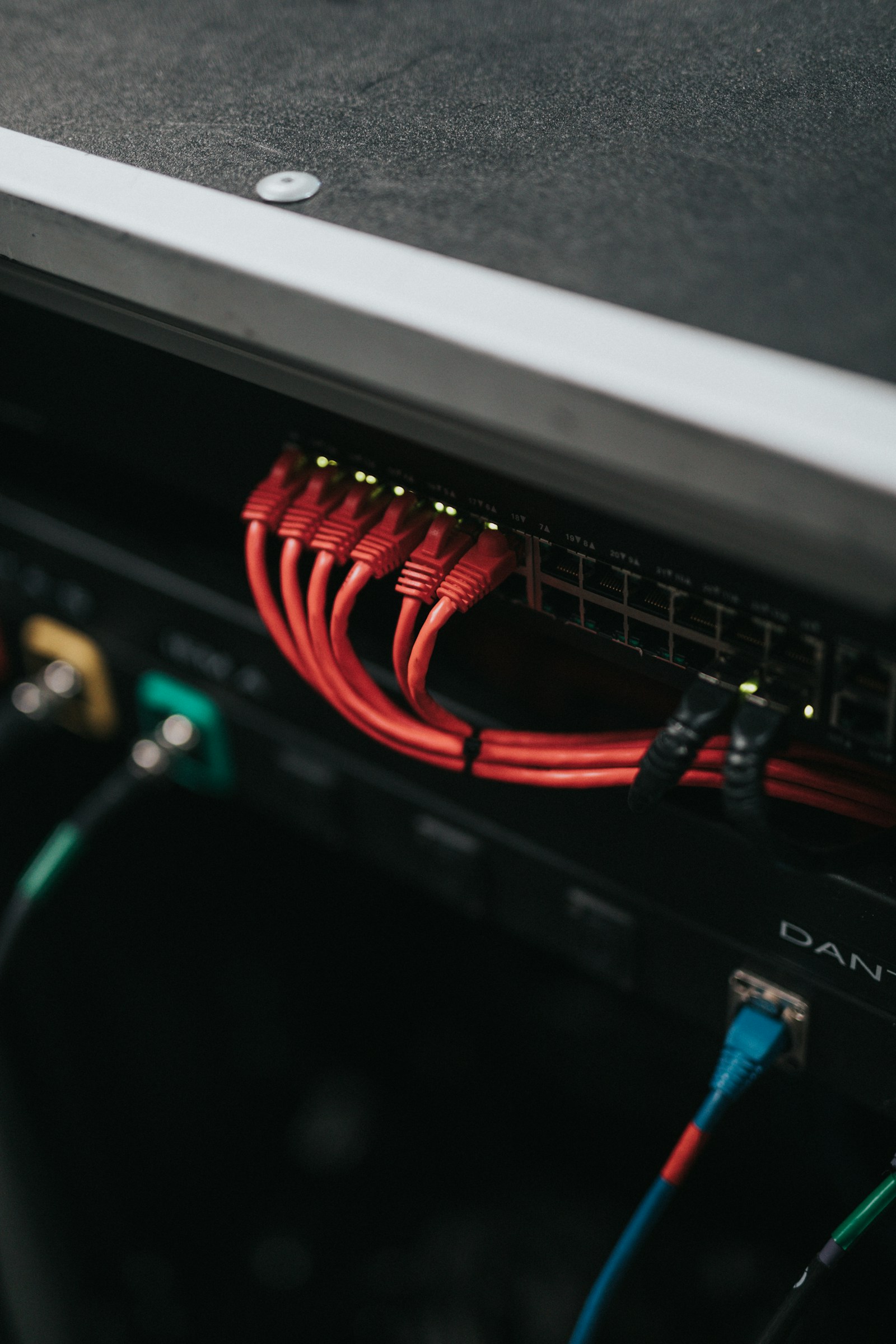
- Connect to broadband. Plug the box into HDMI and either Ethernet (recommended) or 5 GHz Wi-Fi. Apps already on your Smart TV inherit the TV’s network. Confirm the connection before signing in.
- Sign in with your account. Use the same email and password you registered with. Most apps now use a 6-digit code shown on the TV that you enter on a phone — easier than typing a 16-character password with a remote.
- Run the first-time tutorial. Set parental controls, choose a remote-pair preference, and let the app build your initial recommendations from the channels you tick. Total time: under five minutes.
That is the entire set-up. There is no MAC address to register, no portal URL to enter, no M3U file to upload. If a service asks for any of those things on day one, you are looking at an unlicensed re-streaming service rather than a UK licensed provider — see our M3U playlist explainer for why.
Setting up on Amazon Fire TV Stick #
The Firestick remains the most popular IPTV gateway in the UK because of its £30-£60 price point and ease of use. Here is the order:
- Plug the Firestick into HDMI and the included USB power. Use the wall plug, not the TV’s USB port — the latter under-powers it and causes random freezes.
- Pair the remote and connect to your home Wi-Fi. Stay on 5 GHz if your router broadcasts both bands.
- Sign in with your Amazon account.
- From the home screen, search for the IPTV service by name (Sky Stream, NOW, Virgin TV Go, BBC iPlayer, ITVX, My5, Freely is mobile-only as of April 2026).
- Install, open, sign in.
For best performance, drop into Settings → My Fire TV → Developer Options and enable ADB debugging only if you actually need it (most users don’t). Then Settings → Display & Sounds → Display → Match Original Frame Rate ON. This single toggle eliminates judder on 25 fps UK content. Our full Firestick IPTV guide covers the deeper tweaks.
Setting up on Smart TV (Samsung, LG, Sony, Hisense) #
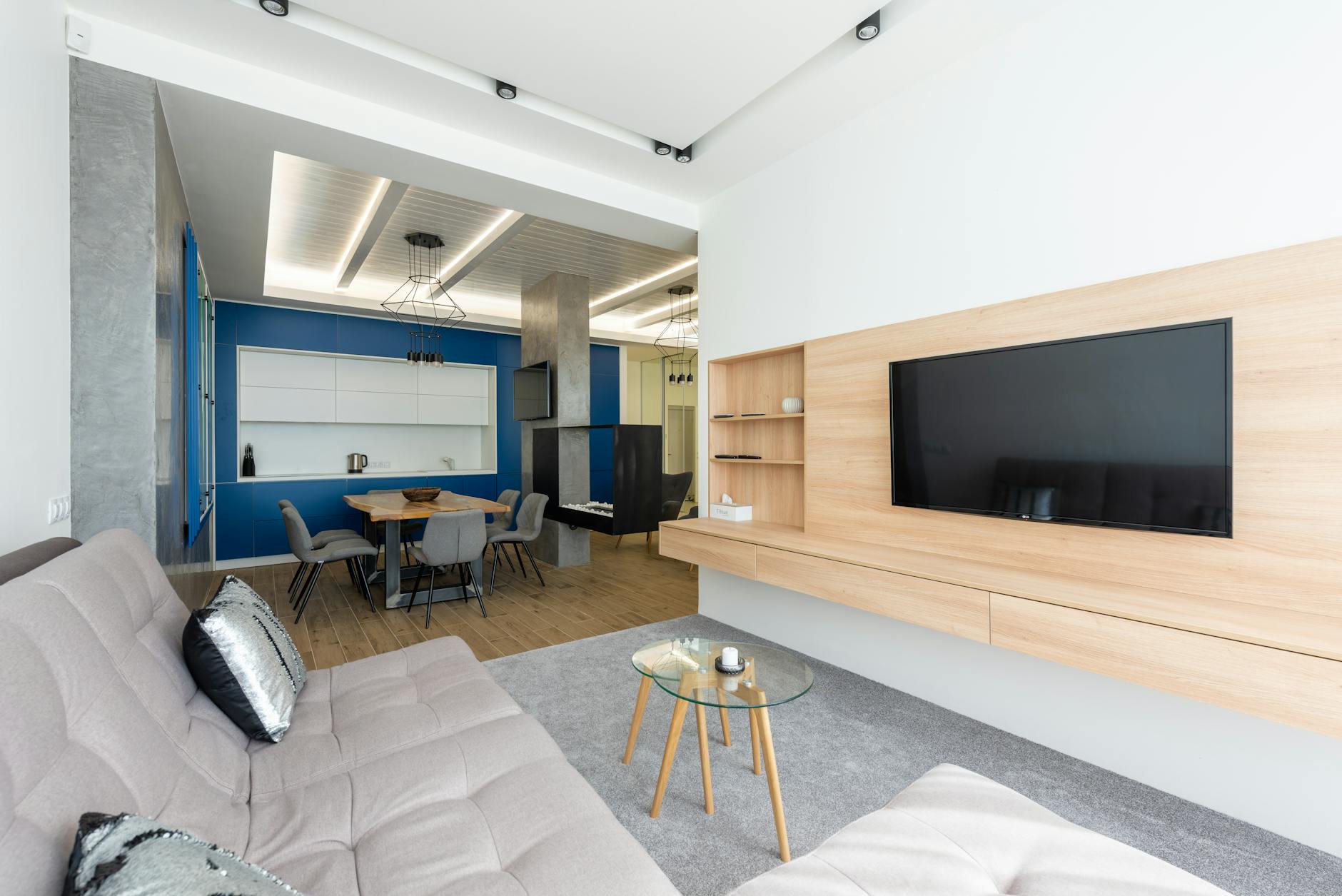
Smart TVs are the path of least resistance — no extra hardware required.
Samsung Tizen (2018+) #
Press the Smart Hub button. Search for the app name in the App Store. Install. Sign in. Done. Older 2017 Samsungs are no longer receiving Sky Stream app updates — they still work, but new features land late.

LG webOS (2019+) #
LG Content Store from the home ribbon. Same install/sign-in flow. webOS 6 onwards has all five UK licensed apps with hardware HDR pass-through.
Sony Bravia (Android TV / Google TV) #
Use the Google Play Store. Sony’s Android-based sets accept the largest range of UK IPTV apps including some niche ones (TVPlayer, Plex Live TV).
Hisense / Vidaa #
2024+ Hisense TVs ship with Freely pre-installed. Vidaa OS pulls all five licensed UK services from its app store. The remote even has a Freely button.
Setting up on Apple TV 4K, iOS and Android #
Apple TV 4K #
Open the App Store on tvOS. Search “Sky Go”, “NOW”, “Virgin TV Go”, “BBC iPlayer“, “ITVX”, “Channel 4”, “My5”. Install. Use the on-screen 6-digit code to sign in via your iPhone — saves typing on the remote. Sky Stream-on-Apple-TV launched in 2024 and means you no longer need a separate Sky puck if you already own an Apple TV 4K.
iOS / iPadOS #
App Store. Same names. iOS apps support AirPlay 2 to throw the picture to any AirPlay-compatible TV or speaker. Picture-in-picture works on iPad — handy for following a second match while you cook.
Android phone / tablet #
Google Play Store. All major UK apps support Chromecast Built-In, so you can cast to a Chromecast or compatible Smart TV. Some manufacturers (notably Huawei outside the Play Store) need APK side-loads from the official provider — only download APKs from the provider’s verified site.
Network configuration: DNS, QoS and the small tweaks that matter #
If your IPTV picture is grainy, buffers, or refuses to upgrade to HD even on fast broadband, the cause is almost always at the router level rather than at the IPTV service. Three settings make a disproportionate difference.
1. Wired Ethernet on the main TV #
A £6 Cat6 Ethernet cable from router to TV (or to Firestick via a £15 Ethernet adapter) eliminates 80% of buffering complaints we see. Wi-Fi is fine for phones and tablets; the living-room TV deserves a cable when possible.

2. QoS prioritisation #
Modern routers (BT Smart Hub 2, Sky Hub, Virgin Hub 5, ASUS, TP-Link) include Quality of Service (QoS) settings. Promote your TV’s MAC address to “highest priority” so a cloud backup or a Steam download cannot starve a 4K stream. The setting usually lives under Advanced → QoS or Bandwidth Management.
3. DNS — only if you have ISP issues #
The default DNS provided by your ISP is usually fine. If you experience occasional CDN routing problems (one provider’s stream works, another’s doesn’t), switching the router DNS to 1.1.1.1 (Cloudflare) or 9.9.9.9 (Quad9) often resolves it. Don’t change DNS if everything works — there is no benefit to fixing what isn’t broken.
Troubleshooting the five most common setup issues #
- “App won’t install.” Check the device is on a 2018+ firmware. Older Smart TVs no longer receive new app builds. Solution: a £30 Firestick adds the missing apps.
- “Stream buffers every 30 seconds.” Test wired Ethernet. If buffering disappears, the issue was Wi-Fi. If it persists, run a speed test during the buffer event — sub-10 Mbps means a broadband-side issue, not an IPTV one.
- “Resolution stuck at 720p.” Check Settings → Display → Output Resolution and force 1080p or 4K. Some apps respect the OS setting; others have their own quality picker buried in Account → Streaming Quality. NOW notably defaults to “Standard” until you upgrade to Boost.
- “Sign-in keeps failing.” Almost always a wrong password or an expired payment method. Reset password from a browser, then sign in on the device. Two-factor codes sometimes fail to deliver to .me or .icloud emails — try a Gmail address.
- “Picture is fine but sound is missing.” Check HDMI ARC if you use a soundbar. Toggle Audio Output between PCM and Bitstream. About one in twenty soundbars need PCM with UK 5.1 streams; the others want Bitstream.
If you’ve tried all five and still have trouble, our provider comparison notes which services have UK-based phone support — Sky and Virgin both do, NOW is chat-only, EE has a hybrid approach.
UK broadband speed required (real numbers per resolution) #
Forget the “10 Mbps is fine” line you see on retailer pages — that is the 2018 number. Here is what 2026 IPTV streams in the UK actually consume per device:
| Resolution | Codec | Bitrate | Recommended sync speed | Real-world latency |
|---|---|---|---|---|
| SD 576p | H.264 | 2–3 Mbps | 10 Mbps | 10–15 s |
| HD 720p | H.264 | 4–6 Mbps | 15 Mbps | 10–20 s |
| Full HD 1080p | H.264 / HEVC | 6–10 Mbps | 25 Mbps | 15–25 s |
| 4K UHD HDR | HEVC (H.265) | 15–25 Mbps | 50 Mbps | 20–30 s |
| 4K UHD + Dolby Vision | HEVC + DV layer | 25–35 Mbps | 80 Mbps | 20–30 s |
Ofcom‘s 2025 UK Home Broadband Performance report put the median sync speed at 110 Mbps — most UK households are now comfortable for 4K on two TVs. If you are stuck on FTTC at 36 Mbps, run the second concurrent stream in HD rather than 4K and you will avoid buffering. Our Firestick IPTV picks includes a section on which sticks fall back to 1080p gracefully.
Router QoS settings to prioritise IPTV traffic #
If your kids are gaming on Fortnite while you try to watch the Manchester derby, packet contention on the upload buffer will pixelate the football. Quality of Service (QoS) on the router fixes it.
BT Smart Hub 2 / Smart Hub Plus #
Open 192.168.1.254, sign in with the admin password from the back of the hub, go to Advanced Settings → Wireless → Wireless Bandwidth Limit, then enable Smart QoS. It will auto-detect Sky Stream and Now.
Virgin Media Hub 5x #
Open 192.168.0.1, log in, go to Advanced Settings → Security → Quality of Service, and set the Sky Stream device IP to High priority. Reboot the hub afterwards.
Sky Hub / Sky Broadband Hub #
The stock Sky Hub does not expose QoS controls in the GUI. If you stream a lot of 4K, drop in an off-the-shelf TP-Link or Asus router behind the Sky Hub, set the Sky Hub to modem mode, and run QoS on the new router.
EE Smart Hub Plus #
Open 192.168.1.1, go to My Network → Devices, find your IPTV device, click the gear icon, and toggle Prioritise this device. EE calls it “Game Mode” but it works for IPTV equally well.
What QoS will not fix
If your sync speed is below the resolution’s recommended bandwidth (see table above), QoS just shifts the buffering — it cannot create capacity that is not there. Test your speed at the wall socket via Ofcom’s broadband checker before blaming the router.
When to use Ethernet over Wi-Fi for IPTV (and how to test) #
Wi-Fi is convenient. Ethernet is reliable. The honest answer: for any TV you watch live sport on, run a cable. Here is the UK-specific cheat sheet:
- Always Ethernet: the main living room TV, especially if you stream Premier League or boxing. A £3 Cat 6 cable and a TP-Link Powerline kit beat any Wi-Fi 6 setup for jitter.
- Wi-Fi is fine: bedroom Smart TVs running NOW or Freely at 1080p, where occasional buffering is tolerable.
- Mesh Wi-Fi 6E: a workable middle ground. BT Whole Home, Eero 6+, Asus ZenWifi XT9 all hold 4K reliably if the node sits within 5 metres of the TV.
Test your real-world Wi-Fi to TV path with the BBC iPlayer Diagnostics page (a hidden page that shows received bitrate and dropped packets for 60 seconds). If you see more than 0.5% packet loss, switch to Ethernet — your IPTV will too.
For app-level diagnostics in IPTV Smarters Pro, look at Settings → Player Diagnostics → Network Stats. Anything above 30 ms jitter on Wi-Fi is a sign you should cable up.
Setting up parental controls before a child uses an IPTV box #
Live IPTV exposes children to age-rated content the way Netflix does not — there is no “Kids Profile” by default. Here is the 5-minute lockdown for each major UK service.
- Sky Stream: Settings → Parental Controls → set a 4-digit PIN, then choose age limit (PG, 12, 15, 18). Locks both live channels and on-demand films.
- NOW: Account → Parental Controls online (not in the app) → set Cinema, Entertainment and Kids per-member age caps.
- Virgin TV Stream: the box uses Pause TV PIN (numeric) plus Adult PIN for over-18 channels. Both default to 0000 — change them.
- EE TV: uses Apple’s tvOS Screen Time. Settings → Users & Accounts → Screen Time → Content & Privacy. Set TV Programmes to “12” or “15”.
- Freely: on most Hisense and Bush sets, the parental lock is in System → Parental Settings. PIN is 0000 by default.
The BBFC ratings used on these services are the same UK age ratings you see in the cinema. For network-level filtering across every device on the home Wi-Fi, look at NCSC’s family-friendly internet guidance and consider switching DNS to 1.1.1.3 (Cloudflare for Families) on the router.
Pre-install checklist for new UK IPTV buyers #
- Run a wired speed test from the master socket. Note the result.
- Confirm IPv6 is on (most UK ISPs default-on; some Virgin Hubs need it toggled).
- Update the TV firmware before installing apps.
- Plug the IPTV box or stick into the HDMI 1 (eARC) port if you have a soundbar.
- Sign up to the service on the web first, then sign in on the box — fewer keystrokes on the remote.
- Enable parental controls before the first viewing session.
If you want a deeper dive into the player apps themselves, our Smart TV IPTV picks and M3U playlist explainer cover the open-source side, while the UK IPTV VPN guide handles privacy.
Setting up a VPN with IPTV (optional) #
You don’t need a VPN for licensed UK IPTV. The provider already wants UK traffic. Some users still prefer one for privacy, ISP throttling avoidance, or to keep watching UK services while on holiday abroad. The two practical setup options:
- VPN on the router. Configure NordVPN or Surfshark in the router admin (BT, ASUS, TP-Link models support OpenVPN/WireGuard). Every device on the network inherits the VPN. Simplest if you have multiple TVs.
- VPN app on the device. NordVPN and Surfshark publish Firestick and Apple TV apps. Install, sign in, pick a London or Manchester server, then open your IPTV app on top.
Be aware: the major UK services run geo-checks and can block obvious VPN exit nodes. If your stream fails inside a VPN, switch to the provider’s “obfuscated” or “stealth” servers, or disable the VPN for that session. Our IPTV VPN guide covers picks and trade-offs.
Further Reading #
Frequently asked questions #
How long does IPTV setup take?
Under ten minutes for any licensed UK service. Sign-up online, install the app on your Smart TV or Firestick, sign in with the email you used at sign-up, and pick a parental-controls preset. No engineer visit needed.
Do I need an aerial or dish for IPTV?
No. That is the whole point. IPTV runs on your broadband. Some hybrid devices (older YouView) used the aerial too, but Sky Stream, NOW, Virgin TV Stream, EE TV and Freely are pure-IP.
Can I install IPTV myself?
Yes — every UK licensed service is self-install. The only setup that needs an engineer is if you’re upgrading from Sky Q satellite to Sky Stream and want the dish removed; that’s a £25-£75 separate job.
Will IPTV work in a flat with shared Wi-Fi?
Usually yes if you have your own router and at least 25 Mbps. Watch out for landlord-supplied ‘building Wi-Fi’ that uses captive portals — these often block IPTV ports and require a workaround.
How do I set up IPTV on a TV without an internet port?
A £30 Firestick or £40 Chromecast plugs into HDMI and adds Wi-Fi-based IPTV to any TV with a spare HDMI socket. The TV’s age doesn’t matter as long as it has HDMI 1.4+.
Why does my IPTV ask for a 6-digit code?
Most providers now offer ‘pair via mobile’ to avoid typing a long password with a TV remote. The TV displays a 6-digit code; you enter it on your phone in a browser. Far less error-prone.
Can I use my IPTV subscription abroad?
Inside the EU, UK licensed services usually keep working for 30 days under portability rules. Outside the EU, geo-blocking kicks in and you’ll need a UK-server VPN — see our IPTV VPN guide for the trade-offs.
Do IPTV apps drain my data allowance?
Only if you’re on mobile data. HD streams burn around 3 GB per hour, 4K around 7 GB per hour. On home broadband, most ISPs are unlimited, so it doesn’t matter.
Why does my Firestick stream in 720p when my TV is 4K?
Either your subscription doesn’t include 4K (NOW Standard tops out at 720p without Boost) or your Firestick is the older HD model rather than the 4K Max. Settings → Display will confirm.
Do I need to factory-reset my TV before installing IPTV?
No. Just install the app from the TV’s app store and sign in. A factory reset is only needed if a previous tenant’s accounts are still linked.
What is the minimum UK broadband speed for IPTV?
10 Mbps for one SD stream, 25 Mbps for one Full HD stream, 50 Mbps for one 4K HDR stream. Add roughly 60% headroom per extra simultaneous device. Ofcom’s median UK sync speed in 2026 is around 110 Mbps, so most homes are comfortably over the line.
Do I need a smart TV to use IPTV?
No. A £35 Amazon Fire TV Stick 4K Max plugged into any HDMI port turns a 10-year-old TV into an IPTV-ready device. Our Firestick IPTV guide walks through the apps step-by-step.
Will my old Sky Q dish work with Sky Stream?
No, and you don’t need it to. Sky Stream is a pure IPTV product — the puck plugs into Wi-Fi or Ethernet only. If you migrate from Sky Q, the engineer takes the dish down (or leaves it disconnected). The puck weighs about 200 g and replaces the entire satellite kit.
You’re set up — what next? #
Once your IPTV service is running, the natural next steps are picking which channels matter most, and deciding whether to stack a free trial of a second provider for sport. We cover both: UK IPTV free trials and Sky Sports on IPTV.
If you ran into a setup issue we didn’t cover, our homepage comparison shows which services have the best UK customer support phone lines and which are chat-only.
What are the steps to set up IPTV?
Choose a provider, download an IPTV app on your device, enter your subscription details or playlist URL and start watching.
What is the best device for IPTV setup?
Amazon Fire TV Stick 4K Max is the most popular choice. It is affordable, easy to use and supports all major IPTV apps.
What internet speed do I need?
Minimum 10 Mbps for HD, 25 Mbps for 4K. A wired ethernet connection is more reliable than Wi-Fi.
What is the best IPTV player app?
TiviMate and IPTV Smarters Pro are the most recommended. TiviMate has the best EPG, Smarters has the widest device support.
How do I add an M3U playlist?
Open your IPTV player app, go to Settings or Playlists, select Add Playlist and paste the M3U URL from your provider.
📚 Explore Topic Cluster & Related Knowledgebase (Silo Index)
Access verified sibling guides and core pillar resources from our streaming and setup cluster:



- 📖 4K IPTV UK 2026 — Best Subscriptions for Ultra-HD Streaming
- 📖 How to Setup IPTV on Philips Android TV Ambilight 4K 2026…
- 📖 Is IPTV Legal in the UK? 2026 Legal Status Explained
- 📖 Best IPTV Provider for Sky Sports & TNT Sports 4K UH…
- 📖 Best IPTV Player for Samsung Smart TV Tizen UK 2026 : 4K …
- 📖 Cancel Sky TV: Cheaper UK Alternatives in 2026